
The Rising Cost of Non Compliance
Published: June 2026 | Category: Farm Management
The recent case involving 271 cattle due to be slaughtered on a Fife farm has sent shockwaves through the agricultural sector. According to reports, Scottish Government inspectors found the animals to be “unidentifiable and untraceable” during a cattle identification and traceability inspection. The animals were subsequently placed under permanent movement restrictions and cannot enter the food chain.
While the scale of the case is unusual, the underlying issue is not.
Across the UK, livestock producers are facing increasing scrutiny over traceability, welfare standards, environmental compliance and record keeping. Over the last 12 months, enforcement action against farms has become more visible — with penalties ranging from subsidy deductions and movement restrictions to prosecution, forced slaughter and, in some cases, business-threatening financial losses.
For many farmers, the concern is not simply the rules themselves, but how quickly minor administrative failures can escalate into major consequences.
The Fife Case: Why Traceability Matters
The Fife case highlights one of the most critical areas of livestock compliance: identification and traceability.
Under Scottish and UK regulations, cattle must be correctly tagged, registered and recorded throughout their lives. Movements, births and deaths must all be reported accurately through systems such as ScotEID. These rules exist primarily for disease control, food safety and public confidence in the supply chain.
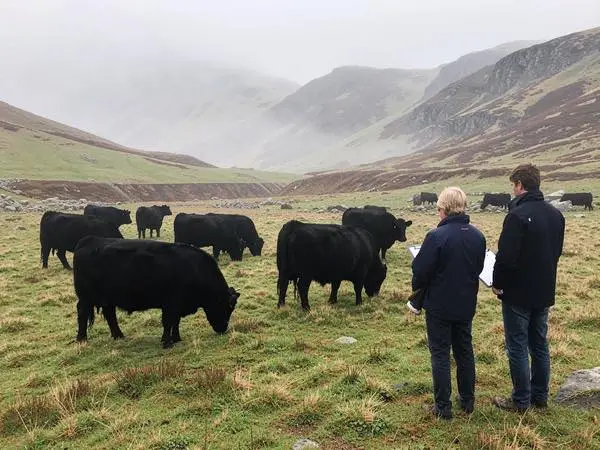
Where animals cannot be properly identified, authorities may determine they are ineligible to enter the food chain. In the Fife case, the financial impact could reportedly exceed hundreds of thousands of pounds once livestock value, disposal costs and potential subsidy penalties are taken into account.
The case also serves as a reminder that compliance failures are no longer viewed solely as paperwork issues. Regulators increasingly treat traceability as a public health matter.
A Wider Trend in Livestock Enforcement
The Fife incident is part of a broader trend affecting livestock producers across the UK. Regulators are placing greater emphasis on:
- animal identification and movement reporting,
- welfare inspections,
- medicine record keeping,
- slurry and nutrient management,
- environmental compliance,
- and transport and slaughter standards.
Farm support payments are also becoming more closely linked to compliance outcomes. In some situations, breaches can lead to significant reductions in agricultural support payments, even where the original issue appears administrative in nature.
Environmental inspections are also increasing pressure on livestock farms, particularly around manure handling, runoff prevention and water protection measures. Many producers report that standards are becoming stricter and more detailed year by year.
"Personal Farm Software Support Matters"
Having video snippets and in a Livestock Management Program is very helpful and the Farm Solutions on-board "Show Me" and "How Do I?" Videos are great, however we are continually told by our customers that the one thing they value the most is expert help being readily available at the end of a phone.
Get 100 days use of our programs Free
Get your digital paperwork into order immediately without any commitment to buy, full support and nothing to pay for 100 days.
Explore our 100 day demoDuring the 100 days (and forever after if you purchase the program), you will have unrivalled support where we will happily come online with you and help you record all your movements, whilst 'showing you the ropes' as it were.
At the same time, public scrutiny of livestock farming has intensified. Animal welfare campaigns, environmental reporting and social media exposure mean enforcement cases now receive far more public attention than they once did.
Animal Welfare and Industry Reputation
The livestock sector is also under growing pressure around welfare standards.
Recent scrutiny of Scotland’s salmon farming industry, including reports of millions of fish deaths and increasing regulatory concerns, demonstrates how welfare issues can rapidly become national news stories. While salmon farming operates under different regulatory frameworks to cattle or sheep production, the wider lesson for agriculture is clear: welfare failures now carry reputational risks as well as financial ones.
Consumers, retailers and supply chains increasingly expect farms to demonstrate high standards not only in production efficiency, but also in welfare, traceability and transparency.
The Financial Reality of Non-Compliance
For most farms, the biggest risk is not prosecution — it is cumulative financial damage.
Potential consequences can include:
- livestock movement restrictions,
- forced culling or slaughter,
- loss of market access,
- reduced support payments,
- disposal costs,
- increased inspection frequency,
- nd reputational harm.
In severe cases, a compliance issue can quickly become a cashflow crisis.
Importantly, many enforcement actions begin with relatively small failures:
- missed movement records,
- incomplete medicine books,
- tagging errors,
- outdated documentation,
- or poor inspection preparation.
That is why routine internal checks and record audits are becoming increasingly important for modern livestock businesses.
Prevention Is Cheaper Than Enforcement
The practical lesson from the Fife case is straightforward: prevention costs less than remediation.
As compliance requirements continue to expand, farms that invest time in record management, staff training and audit preparation are likely to reduce both financial risk and operational disruption.
For livestock producers already dealing with volatile markets, rising costs and labour pressures, compliance may feel like another administrative burden. However, the cost of getting it wrong is clearly becoming much higher.
The Fife case may be exceptional in scale, but it reflects a reality affecting farms across the UK: regulators now expect traceability, welfare and environmental compliance to be treated as core business functions, not secondary paperwork exercises.
Summary
The recent Fife cattle case, in which 271 animals face slaughter due to traceability compliance failures, has highlighted the increasing consequences of livestock non-compliance across the UK. While the outcome of the case has been widely reported, the precise nature and circumstances of the alleged non-compliance are not fully known publicly. It is important that neither we nor others speculate beyond the facts that have been reported. However, the potential loss of such a significant number of animals demonstrates the serious consequences that can arise when livestock compliance issues reach an advanced stage.
While the circumstances are exceptional, the case serves as a reminder of the growing regulatory pressures facing modern farming businesses. From animal identification and movement records to welfare standards and environmental obligations, farmers are operating in an increasingly complex compliance landscape. For many producers, the challenge is not a lack of commitment to high standards, but finding the time and resources to keep pace with ever-changing requirements while managing the day-to-day demands of running a farm.
This article explores the lessons from the Fife case, examines other enforcement actions affecting livestock farms over the past year, and considers practical steps that can help reduce risk, protect farm businesses and maintain confidence in the UK's food production sector.
Explore the Cattle Software | Explore the Sheep Software | View Pricing
← Back to Farm Insights Blog